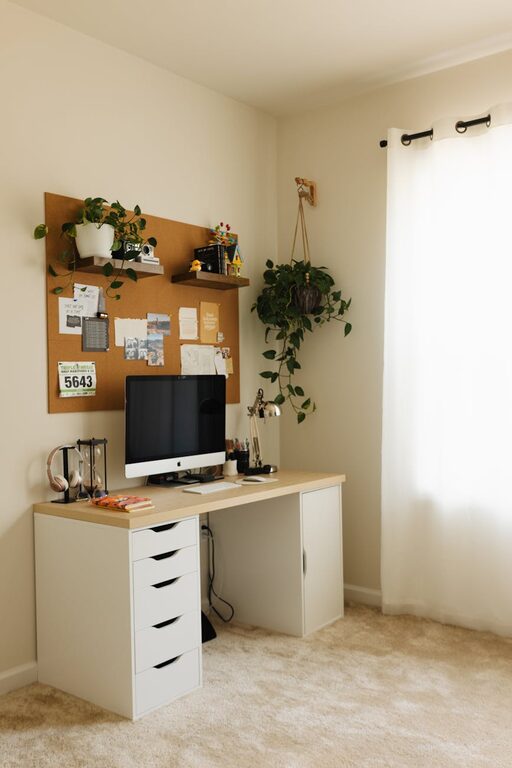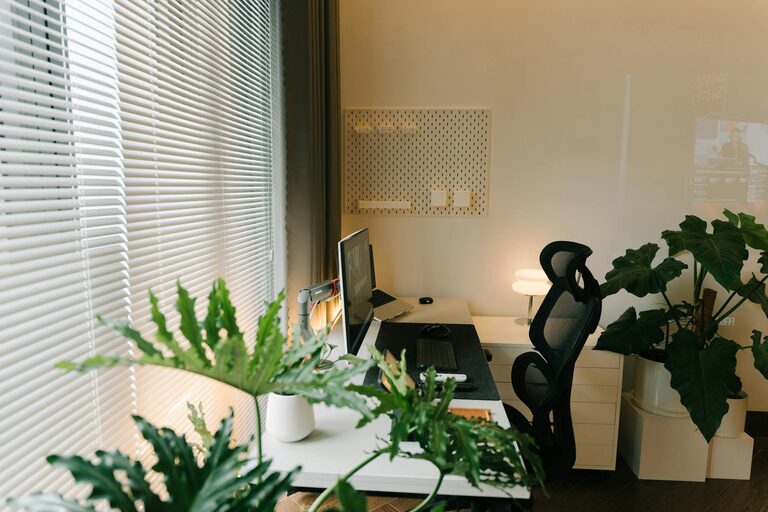
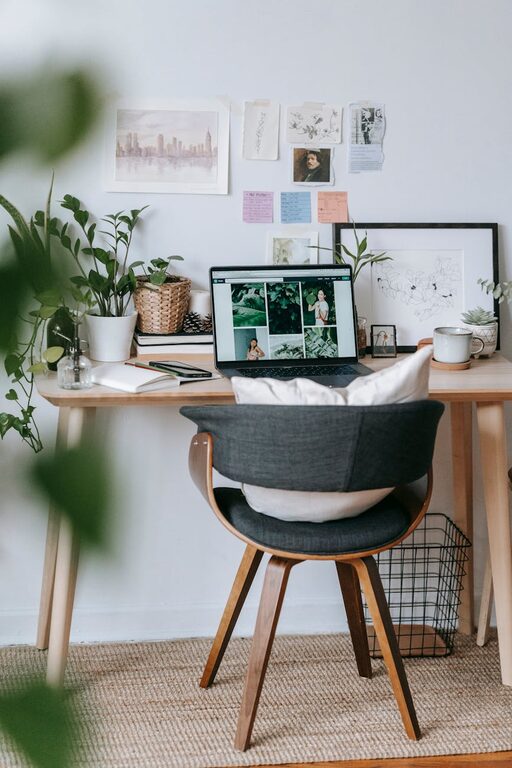
Creating a relaxing home office environment is essential for maintaining productivity and reducing stress while you work. Whether you’re working from home full-time or occasionally, your workspace should feel inviting and support your focus. In this post, we’ll explore practical tips to help you design a calm and comfortable home office.
Why a Relaxing Home Office Matters
Your work environment directly affects your mood, concentration, and overall well-being. A cluttered or uncomfortable space can increase stress, decrease motivation, and lead to fatigue. On the other hand, a relaxing and well-organized office promotes calmness, creativity, and efficiency. Small changes in your workspace can make a big difference.
Choose the Right Location
Natural Light is Key
Try to place your home office near a window to benefit from natural light. Sunlight not only enhances your mood but also helps regulate your body’s natural rhythms, keeping you alert during work hours. If natural light is limited, consider full-spectrum bulbs that mimic daylight.
Quiet and Private Space
Select a quiet location where you can focus without interruptions. If space is limited, use room dividers, noise-canceling headphones, or a dedicated desk area in a corner to create a sense of separation from the rest of your home.
Keep Your Workspace Organized
Declutter Regularly
A tidy desk helps keep your mind clear. Remove unnecessary items and keep only essential tools within reach. Use organizers, shelves, or baskets to store supplies neatly.
Minimalist Approach
Less is more when it comes to a relaxing office. Limit decorations and gadgets that distract you. Prioritize functionality and simplicity to create a calm atmosphere.
Invest in Comfortable Furniture
Ergonomic Chair and Desk
Comfortable seating supports good posture and prevents back pain. Choose an adjustable ergonomic chair that suits your body and a desk at the right height to reduce strain.
Add Personal Comfort Items
Consider a footrest, wrist support, or a cushion for added comfort. These small touches can make long hours at your desk more pleasant.
Incorporate Soothing Colors and Decor
Calming Color Palette
Soft, neutral tones like light blues, greens, or earth colors can promote relaxation. Avoid overly bright or harsh colors that may cause visual fatigue.
Nature-Inspired Elements
Add houseplants, natural wood furniture, or nature-themed artwork. Plants not only improve air quality but also bring a sense of calm and vitality to your space.
Manage Lighting Wisely
Layer Your Lighting
Combine ambient lighting with task lighting. Use a desk lamp that provides focused light for reading or detailed work without glare.
Control Screen Brightness
Adjust your monitor’s brightness to match the surrounding light to reduce eye strain. Consider using blue light filters, especially if you work late hours.
Create a Pleasant Sensory Environment
Calming Scents
Use essential oils or scented candles with relaxing scents like lavender or chamomile to enhance calmness.
Play Soft Background Music
Instrumental music, nature sounds, or white noise can help some people focus by masking distracting noises.
Take Breaks and Move
Even in the most relaxing office, sitting for too long can be harmful. Set reminders to stand, stretch, or take short walks. A quick break refreshes your mind and relieves physical tension.
Personalize Your Space Thoughtfully
Include items that inspire you, such as photos, quotes, or meaningful mementos, but don’t overwhelm your desk. The goal is to feel comfortable and motivated within an uncluttered environment.
Digital Organization Matters Too
Keep your computer desktop and files organized. Use folders and a clean desktop background. Digital clutter can be as distracting as physical mess.
Final Thoughts
Designing a relaxing home office is about balance—combining comfort, functionality, and personal touches that support both work and well-being. By implementing these tips, you can create a peaceful workspace that helps you stay focused and calm throughout your workday. Remember, your home office should be a place where you want to spend time and feel productive.
Try starting with one or two changes, and gradually adjust your environment until it feels just right for you. Happy decorating!