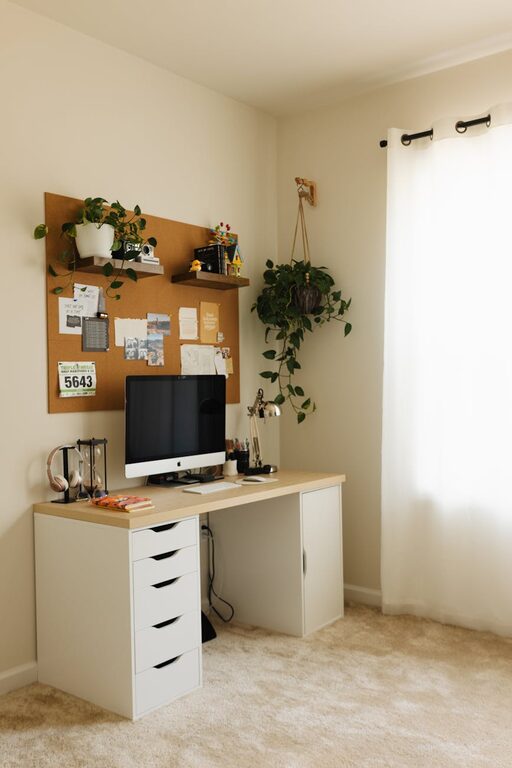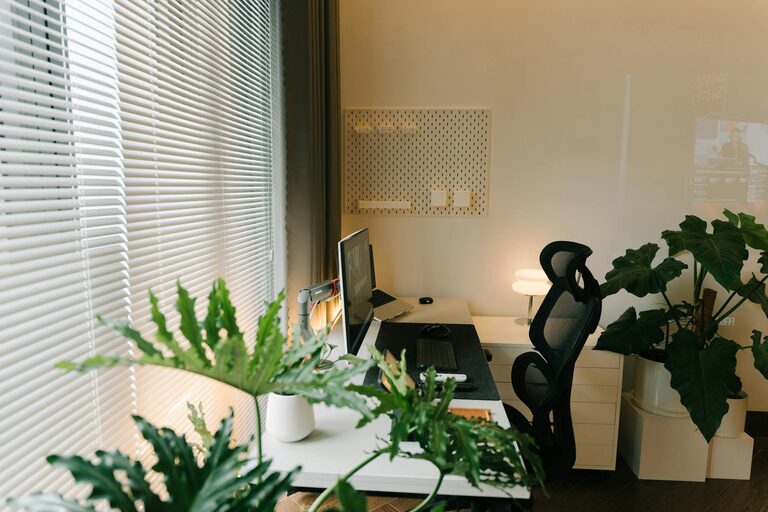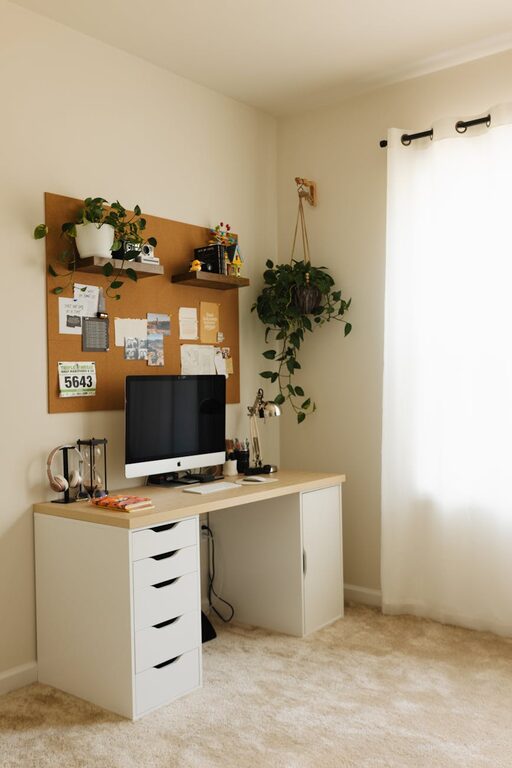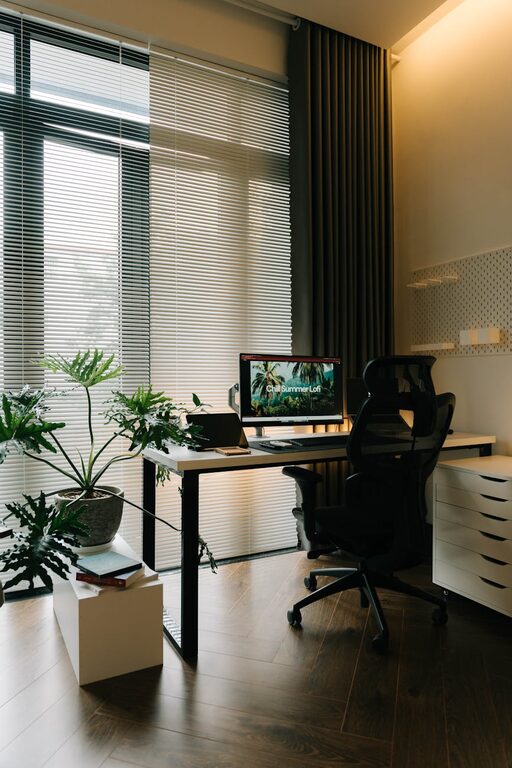
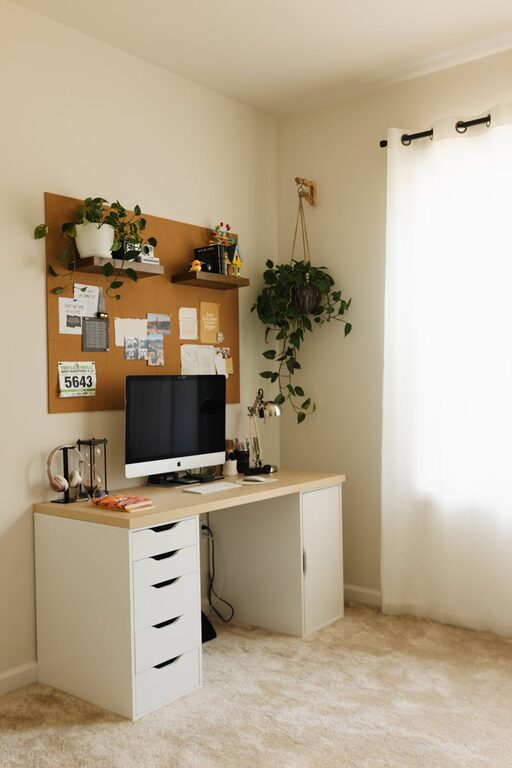
Creating a home workspace that feels cozy and supports productivity doesn’t have to be expensive or complicated. Whether you’re working from home full-time or need a dedicated area for occasional tasks, a well-designed workspace can improve focus, comfort, and motivation. This guide offers practical advice on how to set up a pleasant and efficient home office while keeping costs low.
Why a Cozy Workspace Matters
A comfortable workspace is more than just a place to sit and work. It can influence your mood, reduce stress, and help you concentrate better. When your environment feels inviting and organized, you’re more likely to stick to your work schedule and enjoy the process.
Think about the spaces where you feel most relaxed and productive. What makes them appealing? Usually, it’s a combination of good lighting, comfortable furniture, and a clutter-free setting.
Choosing the Right Spot at Home
Consider Natural Light
Natural light helps reduce eye strain and improves mood. If possible, choose a spot near a window where you can benefit from daylight. Avoid placing your desk directly in front of a window to reduce glare on your screen, but positioning it perpendicular often works well.
Minimize Distractions
Find a quiet corner or room where noise and interruptions are minimal. If space is limited, consider using room dividers or noise-cancelling headphones to help create a sense of separation.
Assess Your Space Needs
Think about the activities you’ll do in your workspace. Will you need room for a computer, notebooks, or creative materials? Make sure to choose a spot that fits your needs and allows enough freedom to move comfortably.
Budget-Friendly Furniture and Arrangement
Desk Options
You don’t need to invest in an expensive desk. Look for secondhand desks or tables that are sturdy and the right height. Even a small dining table or a dedicated corner shelf can work as a workspace.
Adjustable desks or those with storage options add flexibility and help keep your area organized, but they aren’t essential. Adding a simple desk lamp can also improve lighting for evening work without costing much.
Comfortable Seating
Investing in a good chair is important for your posture and comfort. If a new ergonomic chair is outside your budget, try adding a supportive cushion or lumbar pillow to an existing chair.
Declutter and Organize
Use affordable storage options like baskets, boxes, or wall-mounted shelves to keep your area tidy. Organizing your supplies reduces stress and saves time when you can easily find what you need.
Enhancing Comfort and Ambience
Personal Touches
Make your workspace inviting by adding a few personal elements — a small plant, artwork, or photos. These touches make the space feel yours without overwhelming it.
Control Temperature and Air Quality
If your workspace tends to get hot, cold, or stuffy, inexpensive solutions like a small fan, humidifier, or opening a window can improve air quality and comfort.
Use Soft Textiles
Adding a rug, cozy throw, or cushions can make your workspace warmer and more comfortable. These items can often be found at thrift stores or discounted outlets.
Lighting Tips for Productivity
Good lighting reduces eye strain and helps maintain focus.
– Mix natural and artificial light: Combine daylight with adjustable lamps.
– Use warm or neutral bulbs: Avoid harsh fluorescent lights.
– Position lamps thoughtfully: Desk lamps should illuminate your work without casting shadows or glare.
Technology Basics Within Budget
Essential Tools
Prioritize reliable internet access and a computer or tablet that meets your work requirements. Refurbished or gently used devices can often be found at reduced prices.
Manage Cables
Organize cables using clips, ties, or simple DIY solutions to keep your desk looking neat.
Noise Management
If distracting sounds are an issue, inexpensive earplugs or budget headphones can help maintain concentration.
Tips for Maintaining Your Workspace
– Set boundaries: Define clear work hours to keep work and home life balanced.
– Clean regularly: A tidy desk promotes productivity and reduces stress.
– Update periodically: Rearranging or changing small elements can refresh your environment.
– Keep essentials handy: Stock basic supplies to avoid frequent interruptions.
Final Thoughts
Designing a cozy and productive home workspace doesn’t require a big budget. Thoughtful choices in location, furniture, lighting, and organization can create a space where you enjoy working and can focus effectively. Start small, personalize your space, and make adjustments as you learn what works best for your routine.
Remember, the goal is to create an environment that feels comfortable and supports your productivity, not to strive for perfection overnight. Happy workspace creating!