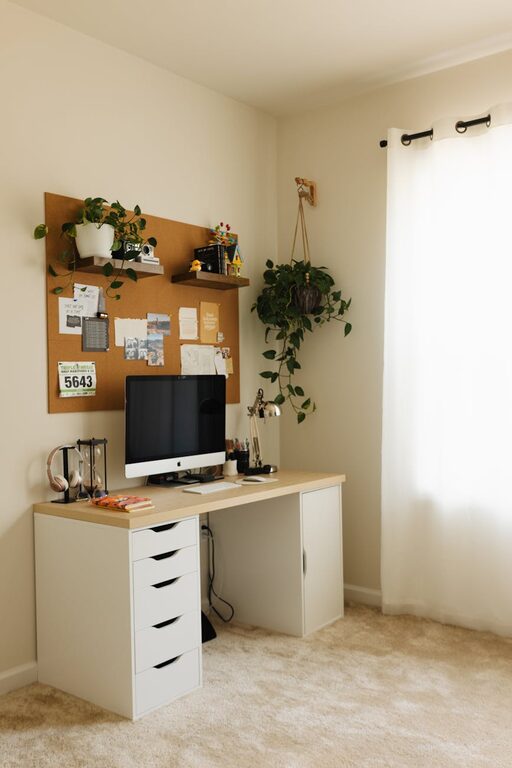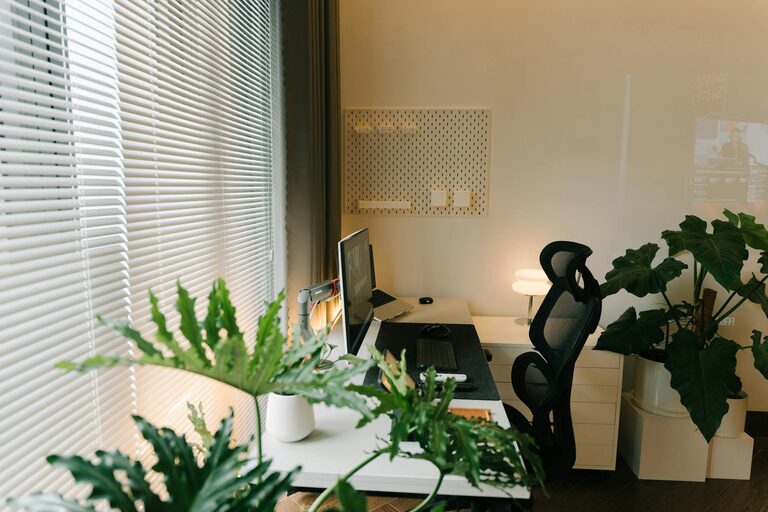
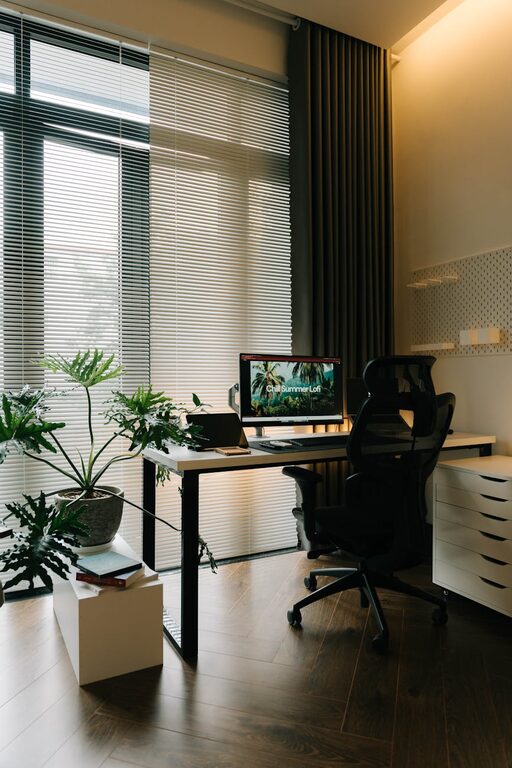
Creating a relaxing home workspace is essential for maintaining focus and boosting productivity. When your environment encourages calm and comfort, it’s easier to stay motivated and manage stress. Whether you work remotely full-time or occasionally, these tips will help you design a workspace that supports your well-being and efficiency.
Why a Relaxing Workspace Matters
A cluttered or noisy workspace can increase stress levels and reduce productivity. Conversely, a calming environment promotes clear thinking and enables you to maintain concentration for longer periods. When your workspace feels inviting, you’re more likely to enjoy your work and feel energized throughout the day.
Choose the Right Location
The first step is selecting the best spot in your home. Ideally, this area should be quiet and receive natural light. Avoid high-traffic rooms where interruptions are frequent.
– Consider natural light: Position your desk near a window to benefit from daylight, which helps regulate your body clock and improves mood.
– Limit distractions: Choose a space away from televisions, noisy appliances, or family activity zones.
– Ensure privacy: If possible, use a dedicated room or a corner with a screen or partition to create separation from other home areas.
Invest in Comfortable Furniture
Ergonomic furniture can make a big difference in comfort and posture, which affects productivity and health.
– Select an ergonomic chair: Look for adjustable height, lumbar support, and good padding.
– Opt for a spacious desk: You need enough surface area for your computer, documents, and any tools you use.
– Consider standing desks or sit-stand options: These allow you to change positions and avoid sitting for long periods.
Organize and Declutter
A tidy workspace helps reduce mental clutter and distractions.
– Use storage solutions: Shelves, drawers, and organizers keep supplies in order.
– Keep only essentials on your desk: Limit items to what you use daily.
– Regularly declutter: Set a weekly routine to clear unnecessary papers and items.
Personalize Thoughtfully
Adding personal touches can make your workspace more enjoyable, but keep it balanced to avoid distractions.
– Add plants: Indoor greenery improves air quality and promotes calm.
– Use soothing colors: Soft blues, greens, or neutrals support relaxation.
– Incorporate meaningful items: Photos, artwork, or inspirational quotes can boost motivation.
Control Lighting and Sound
Proper lighting and sound control are key for creating a relaxing experience.
– Use adjustable lighting: Desk lamps with adjustable brightness and tone help reduce eye strain.
– Minimize glare: Position screens to avoid reflections from windows.
– Use noise control measures: Headphones, white noise machines, or soft background music can block disruptive sounds.
Establish a Routine for Breaks
Relaxation isn’t just about the physical space — how you use it matters too.
– Take regular breaks: Stand, stretch, or walk briefly every hour.
– Create a calming break area: Step away from your desk if possible to recharge.
– Practice mindfulness techniques: Deep breathing or simple meditation can refresh your focus.
Maintain Good Air Quality
Fresh air contributes to both comfort and alertness.
– Open windows regularly: Let in fresh air to reduce stuffiness.
– Use an air purifier: This can help if fresh air is limited.
– Add plants: As mentioned, they naturally improve air quality.
Keep Technology Organized and Efficient
Technology is often at the center of home workspaces but can add clutter if unmanaged.
– Use cable organizers: Keep cords tidy to avoid tangling and hazards.
– Streamline your devices: Only keep the tech you need within reach.
– Optimize your setup: Position monitors at eye level and within easy reach of input devices.
Encourage Movement
Sitting too long can negatively affect your mood and productivity.
– Incorporate movement: Use a balance ball chair or do simple stretches.
– Set reminders to move: Apps or alarms can help you take breaks.
– Try mini workouts: Short exercises or yoga poses improve circulation.
Final Thoughts
Creating a relaxing home workspace is about balancing comfort, organization, and personal style. By investing time to set up a space that feels calm and supports your work habits, you’ll likely see improvements in both productivity and overall satisfaction. Remember, your workspace should serve you — tailor it to your needs and preferences for the best results.