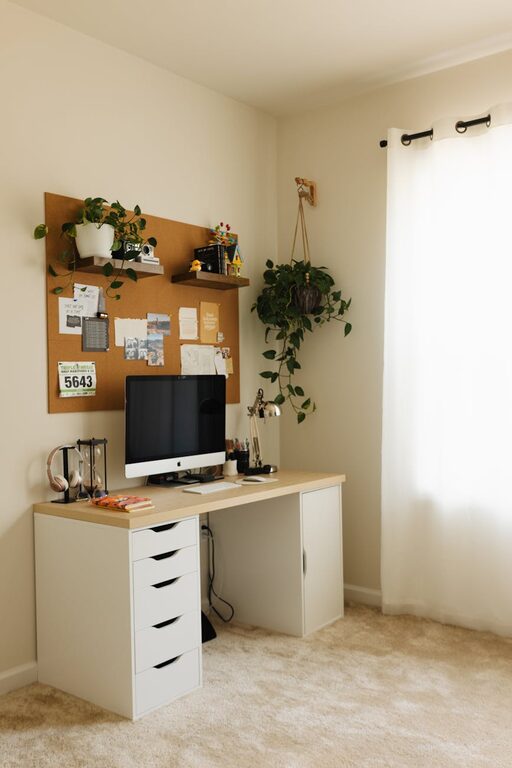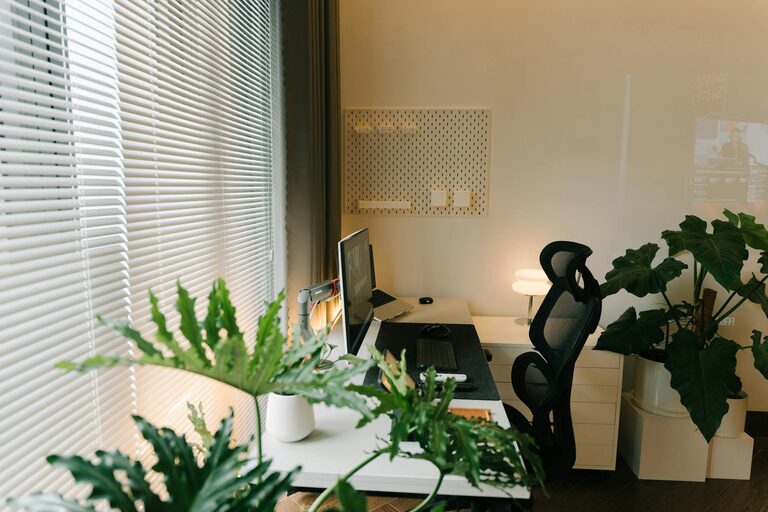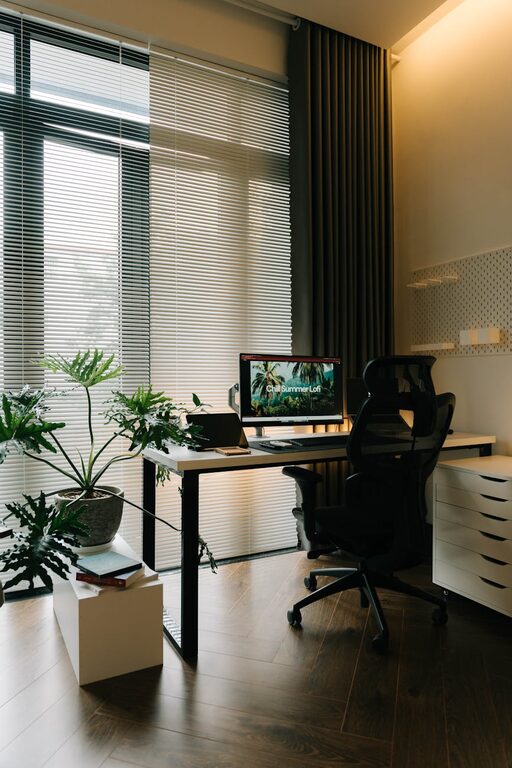
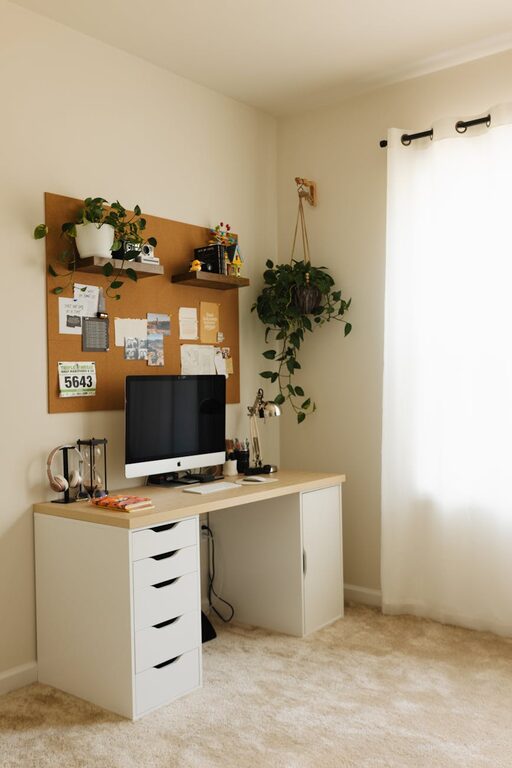
Working from home has become a common experience for many, whether full-time or occasionally. Having a dedicated and well-designed workspace plays a big role in staying focused, comfortable, and productive. If you’re setting up your home office or looking to improve your current area, these tips will help you create an environment that supports your best work.
Choose the Right Location
Finding the best spot in your home for work is the first step. Ideally, pick a quiet area with minimal distractions. A corner of the living room, a spare bedroom, or a nook near a window can all work well. Natural light is a bonus here—it helps keep your energy levels up and reduces eye strain.
Consider Your Needs
– Do you need privacy for calls or meetings?
– Is access to power outlets easy?
– Will you have space for all your work tools and supplies?
– Does the area have good ventilation?
Answering these questions will guide you in selecting the perfect workspace location.
Invest in Ergonomic Furniture
Comfort is key when spending hours at your desk. An ergonomic chair that supports your posture helps avoid back and neck pain. Look for chairs with adjustable height, lumbar support, and cushioned seats.
Pair your chair with a desk at the right height to keep your wrists and arms comfortable when typing. If you don’t have space for a traditional desk, consider options like adjustable standing desks or compact laptops desks.
Organize for Efficiency
Clutter can cause unnecessary stress and slow you down. Organize your workspace to keep everything you need within easy reach but avoid crowding the surface.
Tips for organizing:
– Use storage bins or drawers for supplies
– Keep digital files neat with folders and backups
– Label cables and chargers to avoid confusion
– Use desk organizers for stationery
Maintaining a tidy workspace helps your mind stay clear and focused throughout the workday.
Optimize Lighting
Good lighting reduces eye strain and helps you stay alert. Position your desk near windows when possible to take advantage of daylight. For evening work or windowless rooms, invest in a quality desk lamp with adjustable brightness and color temperature.
Avoid harsh overhead lights or glare on your screen, as these can cause discomfort over time.
Minimize Noise and Distractions
If your home environment tends to be noisy, consider ways to reduce distractions:
– Use noise-cancelling headphones
– Add soft furnishings like rugs or curtains to absorb sound
– Set clear boundaries with family or housemates about your work hours
– Use white noise apps or ambient sounds to mask background noise
Creating a quiet space helps you concentrate and improves overall work quality.
Personalize Your Space
A home workspace that feels inviting and inspiring can improve motivation and mood. Add personal touches like:
– Plants for a touch of greenery and cleaner air
– Artwork or photos that make you smile
– A comfortable cushion or throw blanket
– Motivational quotes or calendars
Just be careful not to overcrowd your area with distractions.
Take Regular Breaks
Comfortable spaces support your work, but your health also depends on regular movement. Use a timer or apps to remind you to stand up, stretch, and rest your eyes every hour. Small breaks increase productivity and reduce fatigue.
Maintain Good Technology Setup
Ensure your computer, keyboard, mouse, and other devices are set up properly for comfort and efficiency. Position your monitor at eye level to reduce neck strain. Use a reliable Wi-Fi connection to avoid slowdowns. Consider investing in accessories like a headset for calls, or an external keyboard for better typing comfort.
Keep Hydrated and Snack Smartly
Having water nearby encourages hydration, which improves focus. Healthy snacks also help maintain energy levels throughout the day without feeling sluggish. Avoid working close to the kitchen fridge to reduce the temptation of frequent breaks.
—
Creating a comfortable and productive home workspace is about thoughtful choices in location, furniture, lighting, and personal touches. When your space supports your work style and well-being, you’ll find tasks are easier and more enjoyable. Start with these tips and adjust based on your preferences for the best results. Happy working from home!