
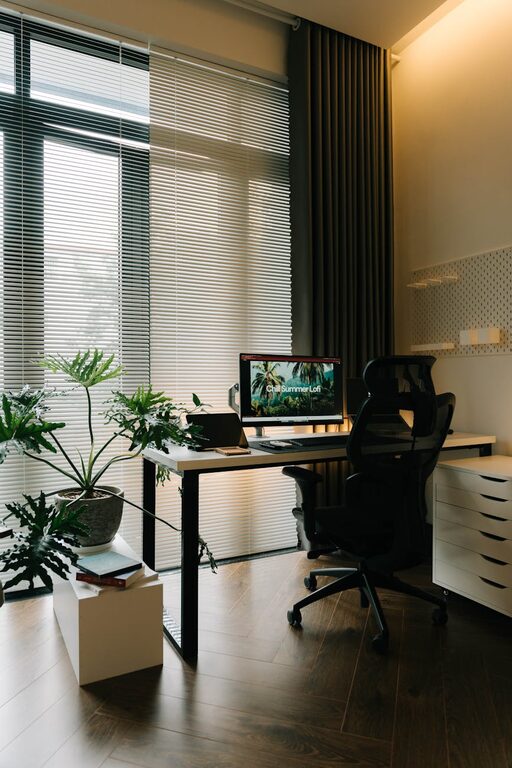
Creating a relaxing home workspace can make a significant difference in your daily productivity and overall well-being. With more people working from home, having a dedicated area that promotes focus and reduces stress is essential. This guide will cover practical tips to help you design a calming and efficient workspace tailored to your needs.
Why a Relaxing Workspace Matters
A cluttered or chaotic work environment can lead to distractions, fatigue, and decreased efficiency. Conversely, a well-organized and peaceful workspace helps clear your mind, encourages creativity, and sustains motivation throughout the day.
Choose the Right Location
Start by selecting a spot in your home that you associate with calm and comfort but has minimal distractions. Ideally, this area should:
– Be away from noisy or high-traffic parts of your home
– Receive natural light to improve mood and energy
– Have enough space for your desk, chair, and storage
If space is limited, a corner in the bedroom or living room can be transformed into a productive zone.
Invest in Comfortable, Ergonomic Furniture
Your desk and chair are the foundation of a healthy workspace. Choose furniture that supports good posture and minimizes physical strain:
– Ergonomic Chair: A chair with adjustable height, lumbar support, and comfortable cushioning reduces back pain.
– Desk Setup: The desk height should align with your elbows when sitting, allowing your wrists to stay straight while typing.
– Footrest: If your feet don’t comfortably reach the floor, a footrest can improve circulation.
Comfort helps you stay focused longer and prevents fatigue.
Optimize Lighting
Proper lighting influences your alertness and reduces eye strain:
– Natural Light: Position your desk near a window if possible, but avoid glare on your computer screen.
– Task Lighting: A desk lamp with adjustable brightness helps illuminate your work area during late hours.
– Soft Ambient Light: Soothing lamps or indirect lighting create a relaxed atmosphere.
Using a combination of light sources lets you adapt to different times and tasks.
Minimize Clutter and Organize Efficiently
Clutter can increase stress and waste time spent searching for items. Keep your workspace tidy by:
– Using Storage Solutions: Drawers, shelves, or filing cabinets help store documents and supplies neatly.
– Limiting Items on Desk: Keep only essential items within reach to maintain focus.
– Daily Cleanup: Spend a few minutes at the end of each day tidying your area.
A clean space encourages a clear mind.
Incorporate Soothing Elements
Adding calming touches can create a relaxing vibe that supports concentration:
– Plants: Indoor plants improve air quality and add natural beauty.
– Soft Textures: Cushions, rugs, or a cozy throw can make the space inviting.
– Personal Items: A few photos or artwork that inspire you make your workspace feel personal.
– Calming Colors: Shades like soft blues, greens, or neutral tones promote tranquility.
These elements reduce stress and improve your mood during work hours.
Control Noise Distractions
Noise disturbances can break your concentration. Consider these options:
– Noise-Canceling Headphones: Block out background sounds when needed.
– White Noise Machine or App: Create consistent, soothing background noise.
– Soft Music or Nature Sounds: Low-volume tunes can enhance focus for some people.
Experiment with sound options to find what works best for you.
Set Boundaries and Routine
A relaxing workspace also depends on how you use it:
– Dedicated Work Hours: Stick to a schedule to maintain work-life balance.
– Clear Boundaries: Inform household members about work times to reduce interruptions.
– Regular Breaks: Step away from your desk periodically to refresh your mind and body.
Building routines helps maintain productivity without feeling overwhelmed.
Personalize Your Technology Setup
Technology plays a big role in productivity, but it can also cause headaches if poorly arranged:
– Cable Management: Use clips or sleeves to organize cords and reduce clutter.
– Screen Position: Keep your monitor at eye level to avoid neck strain.
– Quality Equipment: Invest in a reliable keyboard and mouse that feel comfortable.
A seamless tech setup supports smooth workflow.
Maintain Air Quality and Temperature
Comfortable air quality and temperature increase your ability to focus:
– Ventilation: Open windows when possible to bring in fresh air.
– Temperature Control: Adjust heating or cooling to maintain a pleasant room temperature.
– Air Purifier: Consider using one to filter dust and allergens if needed.
A healthy environment supports sustained productivity.
Final Thoughts
Transforming your home workspace into a relaxing oasis doesn’t require major renovations. By choosing the right location, investing in comfort, keeping things organized, and adding soothing touches, you create a space that supports both productivity and well-being.
Start with one or two changes and gradually design a workspace that feels just right for you. The calmer and more organized your environment, the easier it is to focus and achieve your goals every day.